Begin an agency’s Instagram onboarding audit by agreeing on the client’s first decision, confirming the right accounts and choosing the scope of the competitor comparison. The checklist below turns those inputs into a clear first handoff: the evidence to collect, the people responsible and the date for review. Keep client-provided private outcomes separate from public competitor observations.
Use the existing social media audit template for the broader audit structure. This checklist covers the work before that first report: agreeing what to investigate and making the handoff useful.
1. What should you collect before the first Instagram competitor audit?
Ask what the client needs to decide in the next planning cycle. That might be which first-visit questions to answer, whether a launch needs a demonstration format or how to clarify an enquiry step. Avoid beginning with a promise to “improve engagement” before the business objective is clear.
Record the current offer, intended customer, relevant location, language and practical production constraints. Have the client identify outdated offers or claims that must not appear in new content. Public profile information can lag behind the actual business, so important client facts need an owner who can confirm them.
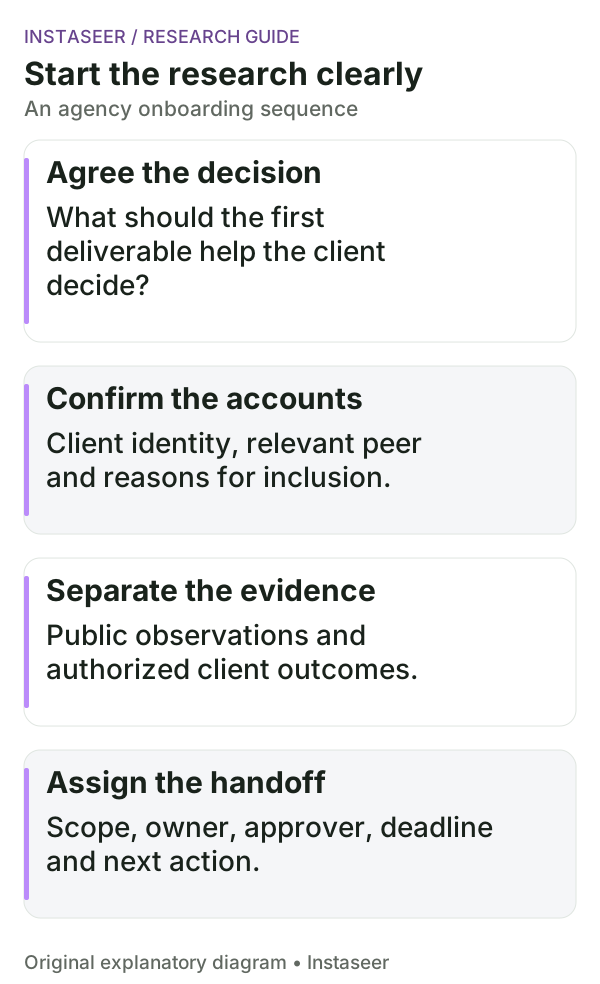
2. Confirm accounts and competitor selection
Ask for the client’s exact public profile URL and confirm that it is the intended account. Similar names, old locations and regional accounts can produce a convincing but irrelevant analysis. Record whether the research concerns the whole business or a particular location, product or campaign.
Choose one relevant peer for the initial comparison and explain the reason. If the client supplies an aspirational brand, label it as a creative reference when its offer or scale makes it a poor peer benchmark. Do not turn every account mentioned in the kickoff into a permanent tracking commitment.
| Input | Ready when |
|---|---|
| Business question | The client can name the decision the report should support. |
| Client account | The exact profile and relevant location or product are confirmed. |
| Peer account | The reason for comparison is documented. |
| Research window | Publication dates, timezone and sample limitations are agreed. |
| First deliverable | Format, owner, reviewer and deadline are known. |
| Outcome source | The client identifies the authorized data or confirms it is unavailable. |
3. Separate public research from client account access
Public competitor research can use source posts, visible authorship, publication dates and available counts. It does not require the competitor’s credentials. The current Instaseer free comparison accepts two public accounts and describes dated evidence from up to 25 returned posts per account, with possible gaps and pinned content.
Client-owned analytics are a separate input. If the agreed task needs them, use the client’s authorized sharing or access process and define the relevant period and measures. Do not ask the client to put passwords in a research worksheet. A missing analytics source does not prevent a public snapshot, but it limits what that snapshot can say about business outcomes.
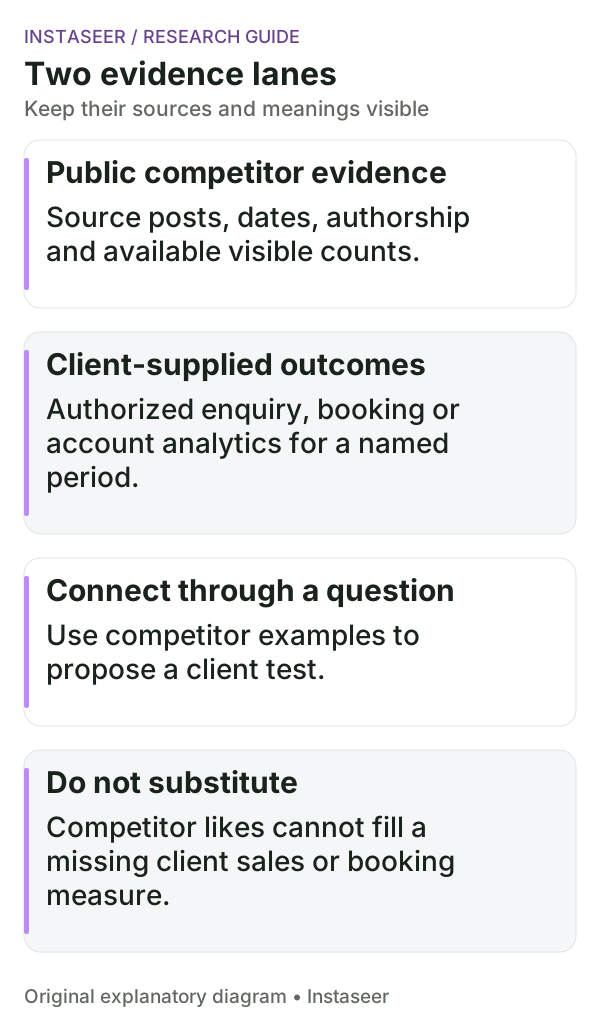
For example, public posts can show that a peer repeatedly explains booking steps. Only appropriate client outcome evidence can establish whether the client’s own revised booking content generated useful enquiries. Combining those ideas in a brief is helpful; presenting them as the same measurement is not.
4. Define coverage and metric rules
Write down the publication window, formats and observation date/timezone for each account. Keep the number of returned posts separate from the number selected for a particular comparison. If the task needs a complete month but the returned evidence covers only recent posts, resolve that mismatch before promising a monthly audit.
For likes plus comments, require both fields and state the eligible count. Missing fields stay missing. Follower counts should retain their actual observation dates; use Follower count for undated manual inputs. A single snapshot cannot establish follower growth.
Agree which questions the first report will leave open. Reach, private audience traits, sales attribution and confirmed campaign spend cannot be inferred from visible post counts. Stating these boundaries in the kickoff prevents a later slide from quietly claiming more than the collection supports.
5. Make the first handoff small and actionable
A practical first deliverable can contain the question, a scope note, a handful of relevant source examples and three proposed next actions. It does not need a large deck of generic metrics. Include an owner for every action and identify the one decision the client must make next.
In a fictional onboarding for a local workshop business, the client wants more informed first-time enquiries. The first snapshot could inspect how a direct peer explains skill level, what to bring and booking steps. The handoff would propose original answers for the client’s actual classes, while requesting confirmation of the current schedule and booking process.
No outcome improvement has been established in that fictional example. The immediate result is a better-defined assignment and a clear list of facts to verify.
Copy this kickoff checklist
Client and account identity:
Decision for the first report:
Current offer and factual owner:
Audience, language and relevant geography:
Direct peer and selection reason:
Creative reference, if useful:
Publication window and timezone:
Collection scope and expected limitations:
Authorized client outcome source, or unavailable:
Production constraints and available assets:
First deliverable, owner, approver and deadline:
Next decision and follow-up owner:
What if the client has no analytics ready?
Proceed with the clearly scoped public research if it still answers a useful question. Label missing client outcomes as unavailable and make measurement setup a separate action with an owner. Do not turn “no accessible conversion data” into “zero conversions.”
When is onboarding research ready to begin?
Research is ready when the team can identify the right accounts, explain the decision, define the evidence boundary and name the first reviewer. Start the first two-account comparison, then use the kickoff checklist to keep the initial report focused on the client’s needs.