Build an Instagram content calendar by turning competitor observations into original posts for your own audience. Choose a customer question for each slot, set a format and production owner, and record the outcome you will review. The six-post example below shows how to move from research to a workable two-week plan.
Use the posting-frequency analyzer to inspect returned public-post rhythm, then plan in a worksheet your team can maintain. This guide does not assume that the research tool publishes or schedules Instagram posts.
Start with a short evidence inventory
Choose a relevant peer and a publication window. Record source links, dates, formats and themes, alongside the observation date and timezone. The current free tools describe up to 25 returned posts and possible collection gaps. Label the inventory as a sample when that is what you have.
Code each selected post by its main audience job: explain a choice, demonstrate a process, answer an objection, show an experience or invite a next action. Use the same categories across the set. A post may contain several elements, but choosing one primary job makes the initial pattern easier to review.
Count the coded posts with a clear denominator. For example, “four of ten selected posts answer first-visit questions” describes a sample. It does not mean 40% of the competitor’s entire strategy is education, and it does not tell you which posts produced bookings.
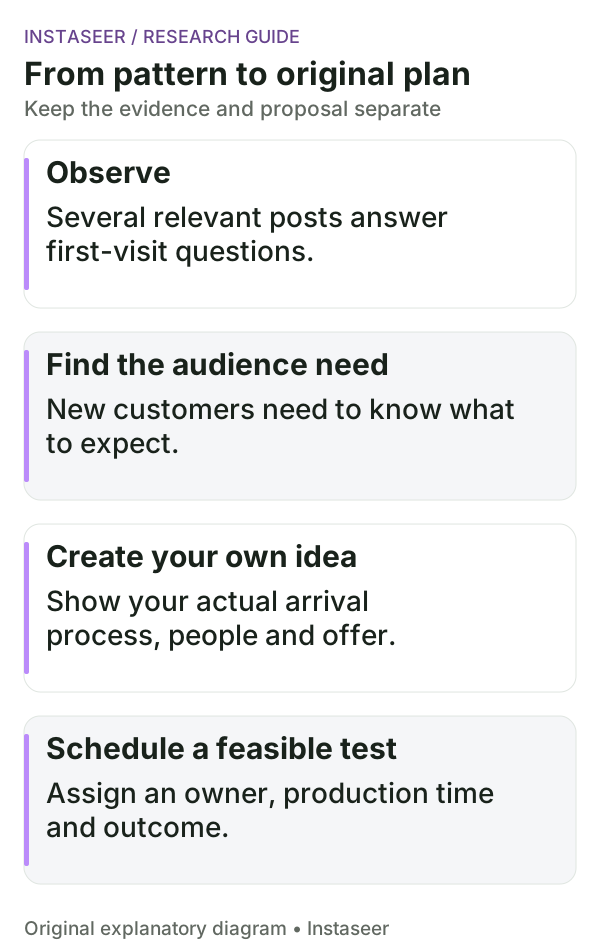
How do you turn competitor observations into calendar slots?
Ask why the observed theme might matter to your customer. A first-visit carousel may reveal uncertainty about arrival, equipment or booking. Validate that interpretation against the client’s actual enquiries or staff knowledge when available.
Then create an original idea using the client’s real offer. If the competitor shows a parking entrance, the useful lesson may be to remove arrival uncertainty; your client might need a public-transit explanation instead. Recreating the competitor’s wording, visual sequence or footage would miss that distinction.
Set a production budget before choosing frequency
List the people, footage, approval time and editing effort the plan requires. A calendar that needs daily shoots will fail if the team can only film once a fortnight. Choose a sustainable number of posts and keep space for unexpected operational changes.
For the fictional studio below, the team has capacity for three posts per week and one shared filming session. That is a planning constraint for this example, not an evidence-based optimum for Instagram. If your team can make two useful posts, build a two-post plan rather than filling extra slots with repetition.
A fictional two-week calendar with six original posts
The objective is to help first-time visitors understand the studio and take an informed next step. The proposed publication dates below are planning dates, not observed competitor dates. Final times should follow the team’s own scheduling decision and declared timezone.
| Date / format | Original idea | Owner / intended outcome |
|---|---|---|
| Mon, Sep 21 · Carousel | What to bring on a first visit. | Strategist / fewer unanswered arrival questions. |
| Wed, Sep 23 · Reel | Walk from the entrance to the class space. | Producer / understanding of the experience. |
| Fri, Sep 25 · Image | Explain the actual trial-booking steps. | Account manager / qualified trial enquiries. |
| Mon, Sep 28 · Carousel | What a beginner session includes. | Coach and strategist / informed trial interest. |
| Wed, Sep 30 · Reel | A coach explains one beginner movement. | Producer and coach / useful demonstration. |
| Fri, Oct 2 · Image | Answer the client’s most common booking question. | Account manager / clearer next-step enquiries. |
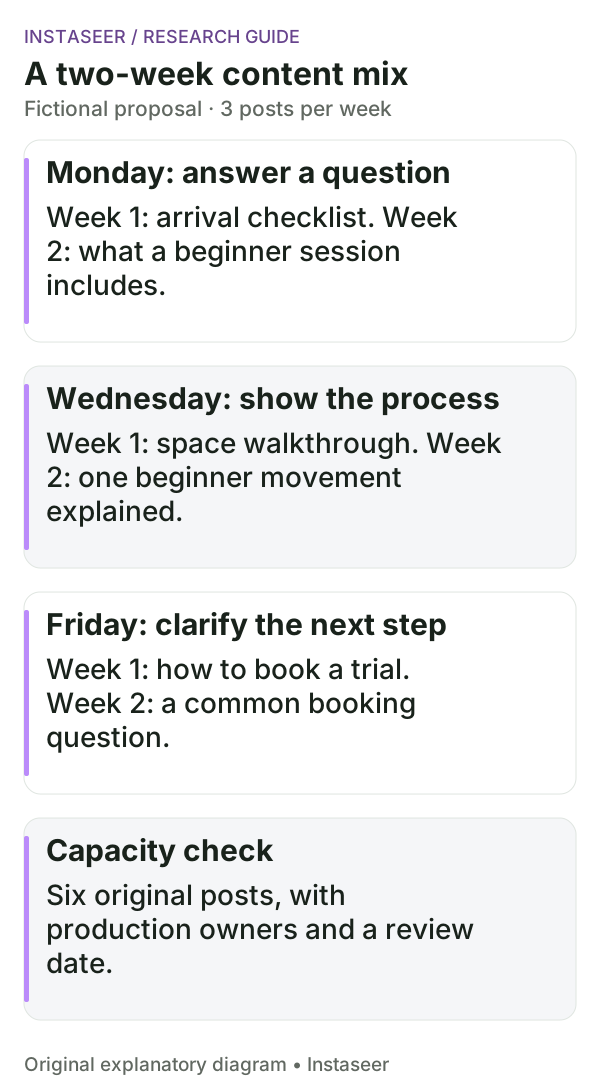
The first week explains arrival and booking. The second adds detail without repeating the same post. Shared production makes the plan feasible: the walkthrough and movement explanation can be captured in one session using the studio’s own people and space, with appropriate permissions arranged by the team.
Attach evidence and a measurement plan to each slot
Keep the source references in the private brief so the writer can see which audience question inspired the idea. Distinguish that evidence from the proposed solution. The public post should stand on the client’s own explanation; it does not need to announce that a competitor inspired the research question.
Translate broad intentions into measures the client can access. For a booking explainer, that may be qualified enquiries with a consistent source question. For a tutorial, use the client’s available viewing or response data, plus qualitative feedback where useful. If measurement is not configured, assign an owner to resolve it before reporting success.
Calendar slot
Planned publication date/time/timezone:
Audience question:
Original idea and format:
Research source links and observation context:
Client facts to confirm:
Production owner, assets and due date:
Approver and approval deadline:
Intended outcome and measurement source:
Review date:
Review the calendar before adding more posts
Look for repeated messages, unverified offers, missing production owners and outcomes no one can measure. Check whether the plan leaves enough time for approvals. A full calendar is not the same thing as a ready calendar.
After publication, compare the posts with the agreed outcome and a consistent observation age where relevant. Record delays, changed offers and exceptions. Use that review to revise the next plan; do not conclude that the competitor’s format mix has been validated simply because your own calendar copied it.
Should a content calendar match competitor frequency?
Only if the frequency also serves your audience, resources and objective. A returned sample may not represent the competitor’s complete posting history, and more posts do not automatically create better outcomes.
Inspect an account’s posting rhythm, record the sample’s coverage and use the existing calendar worksheet to plan what your team can produce and review.