A useful Instagram creative brief gives the team one clear assignment: who the post is for, what it should communicate, which evidence informed the idea and how the result will be judged. Use the filled example and copyable template below to turn competitor research into an original brief with source links.
The Instagram competitor report template can hold the research summary. This guide takes the next step: a single production-ready assignment that a writer, designer or producer can execute without repeating the whole analysis.
Choose one audience problem
Start with the decision the audience needs to make, not a format you want to fill. “Make a Reel like this competitor” leaves the team guessing about the purpose. “Help first-time buyers choose an option that fits their home equipment” gives the creative a useful job.
Check that the problem connects to the client’s actual offer. Use client enquiries, staff knowledge or authorized customer research when available, and label that evidence separately from public competitor posts. If the audience problem is only a hypothesis, say so in the brief.
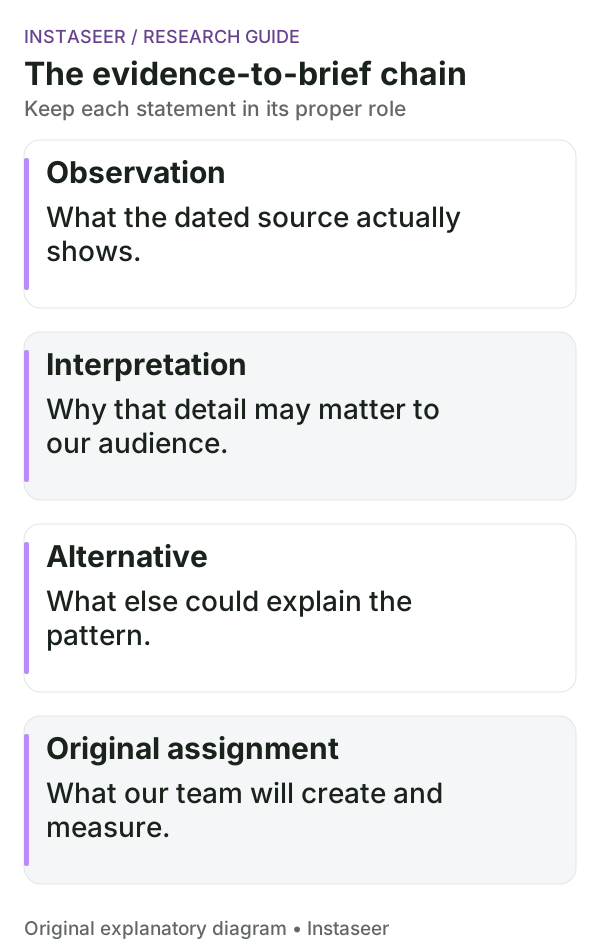
What should an Instagram creative brief include?
Choose the source posts that best support the question, including a typical example or counterexample when it changes the interpretation. For each, record the account, source URL, publication date, observation date/timezone and the relevant visible detail.
A strong observation describes something another person can check: “The first frames show the buyer’s equipment before introducing the product.” “This is the best hook” is an interpretation and needs a basis. If public interaction counts influence the choice, retain the metric definition, eligible sample and comparison context.
| Brief field | What belongs there |
|---|---|
| Observation | A visible detail and the source that supports it. |
| Interpretation | Why that detail might address the audience problem. |
| Alternative explanation | Another reason for the observed response or pattern. |
| Assignment | The original work the team should produce for this client. |
A filled fictional example
Imagine a coffee roaster commissioning content for first-time bean buyers. In a fictional research set, two competitor demonstrations begin with equipment choices, while a typical comparison post begins with packaging. These are invented examples for learning the brief structure; they are not claims about real competitor results.
Observation: Two selected demonstrations show the buyer’s equipment before explaining a product choice.
Interpretation: Starting with a familiar situation may make the choice easier to understand.
Alternative: The apparent response could reflect the creator, offer, distribution or post age rather than the opening sequence.
Assignment: Film the client’s own team explaining a relevant choice using the client’s actual products and confirmed product facts.
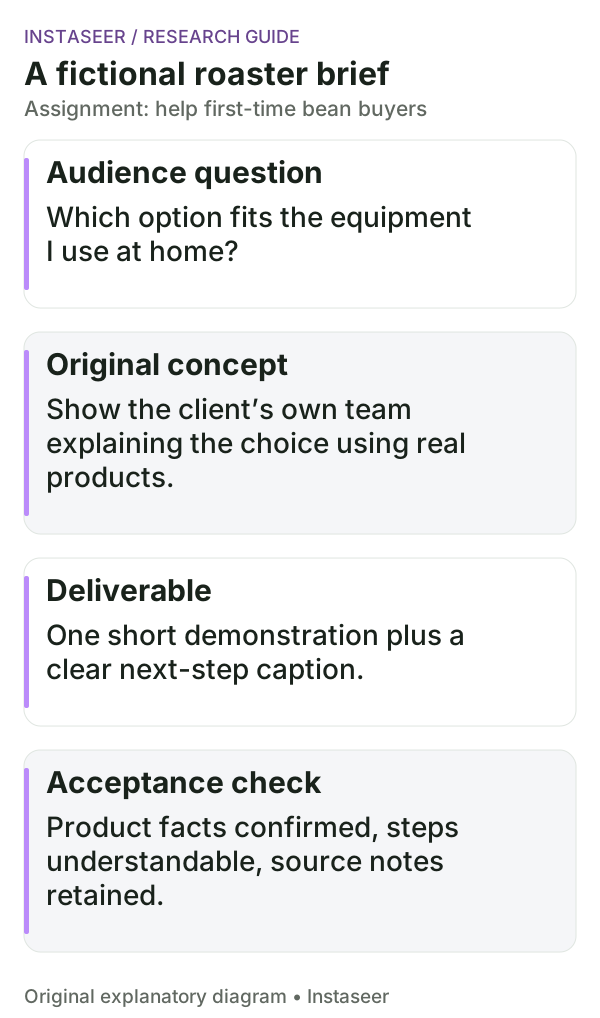
In a real brief, replace the fictional evidence with actual source URLs and dated observations. Do not invent Instagram links to make an example look like a real case study. The original concept should still make sense when the research references are removed from the public-facing post.
Specify the deliverable without overdirecting it
Define the format, intended placement, message and required next step. State essential elements such as showing the actual product, explaining the choice in plain language and making any on-screen text readable. Leave room for the creative team to choose an effective execution within those constraints.
For the fictional roaster, the deliverable might be one short demonstration with captions and a concise next-step description. The client must confirm the product guidance before filming. The brief should identify the speaker, available equipment, filming location and asset owner, so production does not stall on an unstated dependency.
Avoid copying a competitor’s script, sequence or distinctive artwork into the assignment. The source identifies a useful audience question or communication approach; the client’s own product, knowledge and voice supply the content.
Give the reviewer acceptance criteria
Define what “ready” means before the draft arrives. For this example: the intended buyer can understand the choice, product statements have an owner’s confirmation, on-screen text is readable on a phone, and the next action matches the actual offer. These criteria let the reviewer give concrete feedback rather than asking for a vague improvement.
Separate factual approval from creative preference. A wrong product detail requires correction. Two acceptable opening shots can be a creative decision. Keep the final approved copy, assets and approval record together so the producer knows which version to use.
Choose an outcome the client can measure
If the objective is better-qualified product enquiries, define what counts as a qualified enquiry and how the team will record it. If the objective is understanding, specify an appropriate feedback method. Use the client’s available authorized analytics when relevant, with a consistent observation period.
Do not promise that adopting a competitor-inspired structure will reproduce the competitor’s response. Public likes and comments may justify investigating the idea, but they do not establish the audience’s understanding or the client’s sales outcome.
Creative brief
Audience and decision:
One useful message:
Source observations: URLs, dates, capture context:
Interpretation and alternative explanation:
Original concept:
Format, placement and required next step:
Facts to confirm and responsible person:
Assets, production owner and deadline:
Acceptance criteria and approver:
Outcome, measurement source and review date:
How much research should go into the brief?
Include enough evidence to explain the assignment and its limitations. Keep the full research inventory elsewhere and link the most relevant examples. If the brief cannot explain why a source matters in a sentence, that source may not belong in the main handoff.
Organize the evidence in a competitor report template, then use the filled brief above to give the team one clear assignment. Keep source observations, your interpretation and the proposed work distinguishable in the handoff.