A beauty-research workflow example
This page illustrates how to plan a public beauty-content review. It does not present a verified current Sephora TikTok dataset or establish which creative treatment caused a result. Visuals are retained from the historical page as workflow illustrations.
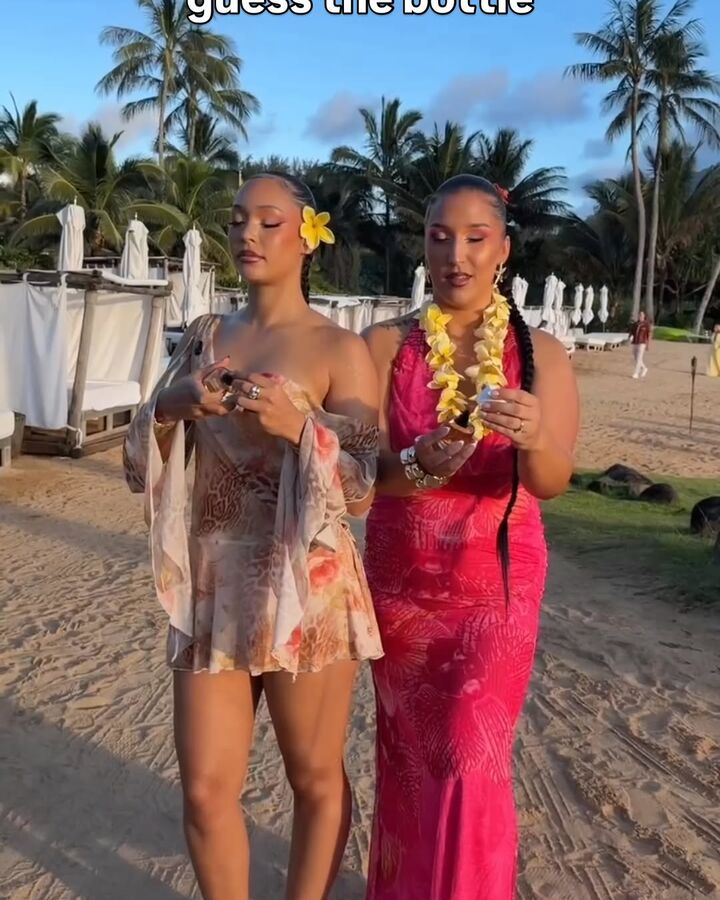
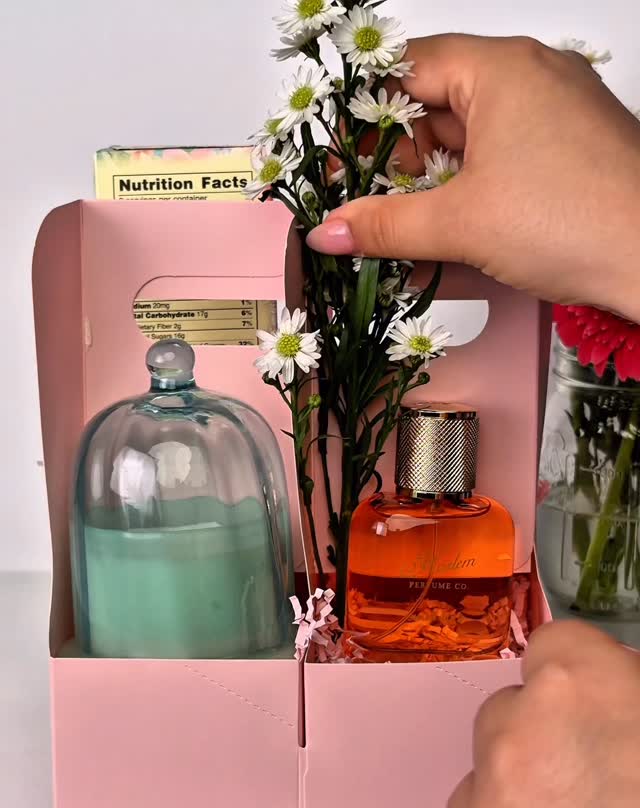
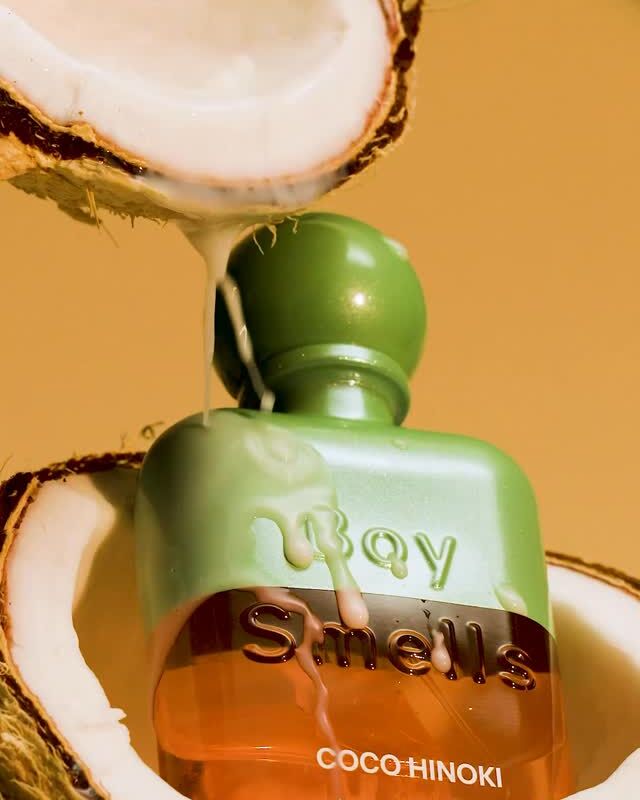
Questions to investigate
- What product, use case or question is visible in the opening?
- What can be observed directly in the video, and what is interpretation?
- Which dated source posts support a proposed recurring theme?
- Are you comparing the same format and observation window?
An illustrative test brief
Hypothesis: showing a product’s use before a longer explanation might improve a selected outcome on your own account. Create an original demonstration, define the outcome and observation interval, and compare it with suitable posts from your account. This is a test idea, not a measured finding about Sephora.
Keep the limits visible
Record the source URL, publication date and timezone, observation time, returned post count and date coverage. A public account may return incomplete data or no usable result. Missing fields remain unavailable. Views are not unique viewers, verified reach, watch time or conversions. A public post does not establish why a result occurred, and a mention does not prove a paid partnership.
Availability
V5 launches with Instagram research. This is an educational guide to public TikTok research, not an offer of new TikTok collection, a free paid report or an MCP integration. Existing customers retain their agreed terms. Contact support to confirm existing access; use current pricing for new V5 offers.
Common questions
Is this official Sephora analytics?
No. It is an independent educational workflow and contains no private account analytics.
Can visible counts establish sales?
No. Sales claims require appropriate first-party evidence.