The quick answer
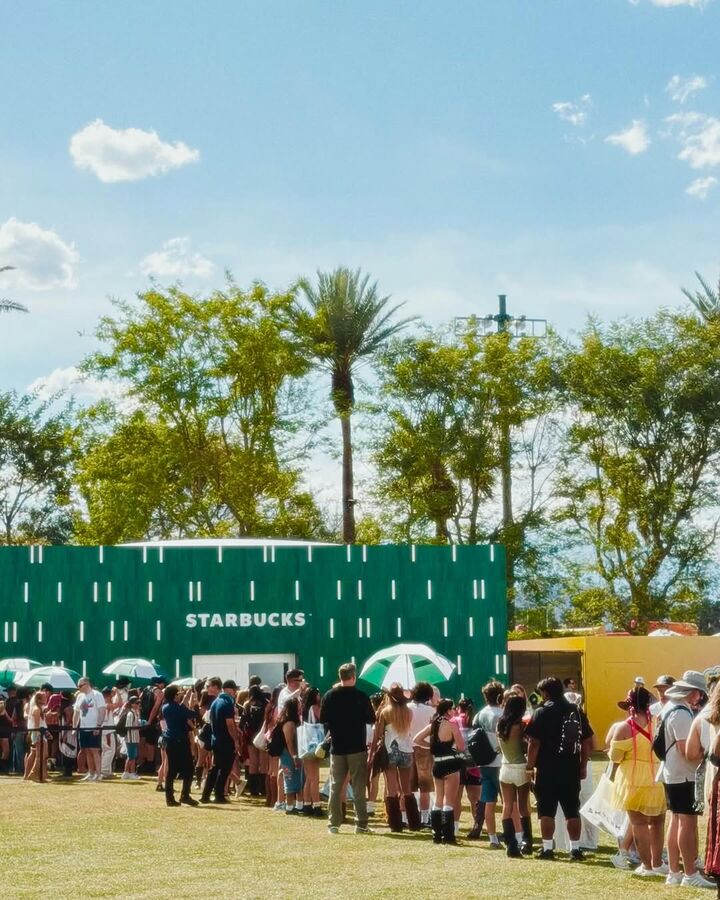
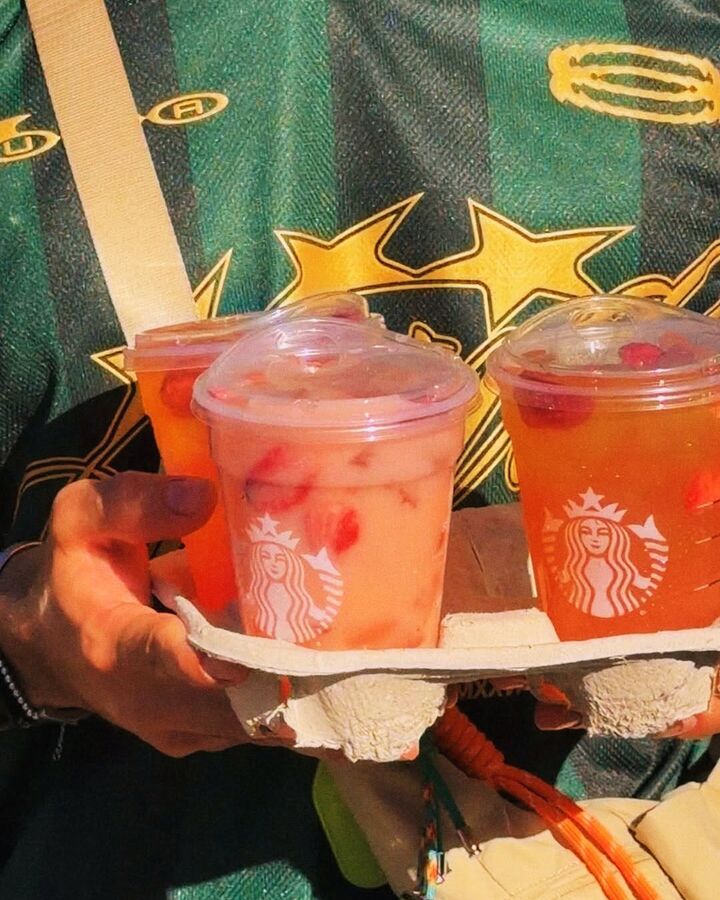
A Starbucks-style Instagram competitor analysis should not stop at "seasonal drinks perform well." The useful read is more specific: which posts introduce the product, which visuals make it recognizable, how the launch window is paced, and which public source posts support the takeaway.

What the report should answer
| Research question | Evidence to inspect | How InstaSeer helps |
|---|---|---|
| How does the brand pace seasonal launches? | Post dates, repeated product references, and launch-window clusters. | Content cadence card, date range, and post list. |
| Which visuals carry the product story? | Cups, flavor color, lifestyle context, creator-style shots, and limited-time cues. | Grid view and source-linked post cards. |
| Which examples are worth opening? | Public engagement, format, caption, and visual relevance. | Best post, source buttons, filters, and compare view. |
| What should a marketer test? | One repeatable pattern with visible proof. | A human-written test idea with the source posts behind it. |
Client-safe takeaway example
Illustrative hypothesis, not a measured Starbucks finding: recognizable product cues may help explain a seasonal launch. Inspect source examples, then test one visual-first post and a follow-up that adds context. The example does not establish why Starbucks posts received particular responses.
Why the source posts matter
The source post is the difference between a vague social media opinion and an evidence-backed recommendation. When a client asks why a seasonal idea is worth testing, the report should point to the original examples, not just a summary.
FAQ
Is this an official Starbucks report?
No. This is an independent sample workflow that uses public social research concepts and sample media inside InstaSeer.
What should I copy from a competitor example?
Do not copy the creative. Extract the principle, such as visual clarity, launch pacing, or source-backed format choice, then create an original test.